

New York City’s Universal Pre-K Experience Offers Insights for Nationwide Early Education Expansion
Between the mid-1990s and the early 2000s, New York City developed a citywide Universal Pre-K framework that eventually served tens of thousands of four-year-olds annually. The effort required coordination across public schools, community-based organizations, and multiple funding streams, along with significant investment in workforce training and classroom design.
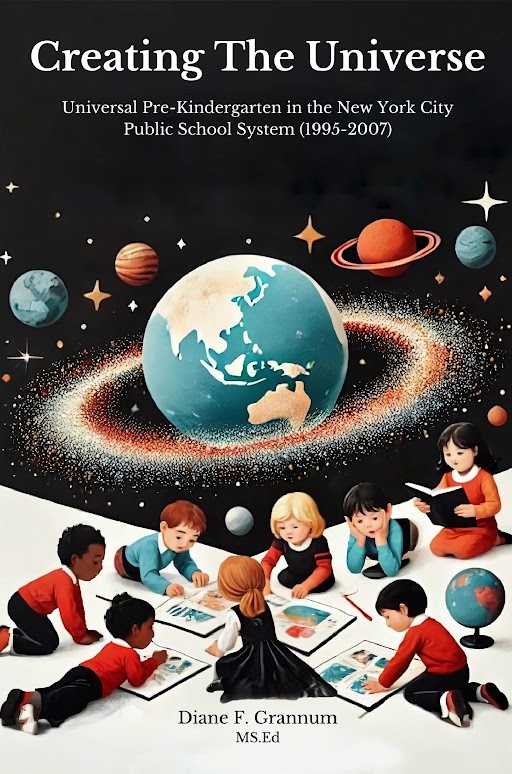
Diane F. Grannum, a longtime early childhood administrator and former Region 9 Director of Early Childhood Education for New York City, documents that process in her recent memoir, "Creating the Universe: Universal Pre-K in the New York City Public School System 1995–2007." The book provides a first-person account of how the initiative evolved from limited pilot programs to a permanent part of the city’s education system.
Grannum’s experience highlights several structural decisions that shaped the program’s durability. Chief among them was treating Pre-K as a grade level rather than a temporary initiative. Class size standards, staffing ratios, and developmentally appropriate classroom environments were established early, helping anchor expectations for quality and funding.
Another key factor was the city’s mixed-delivery model. Public schools alone could not meet demand, particularly for families needing extended hours or neighborhood-based access. Community-based organizations—including child care centers, nonprofit agencies, and faith-based providers—played a central role in expanding capacity while maintaining local trust.
The system also emphasized professional development grounded in child development research. Training drew on widely used frameworks from psychologists such as Abraham Maslow, Jean Piaget, and Erik Erikson, with an emphasis on social-emotional development alongside early literacy and numeracy. According to Grannum, this focus helped educators address the needs of children entering school with varied experiences of stress, language exposure, and family stability.
New York City’s approach was tested repeatedly by political and structural change, including mayoral control of schools, district reorganizations, and leadership turnover. Programs that endured, Grannum notes, were those that documented outcomes, built broad coalitions with families and providers, and maintained consistent standards despite administrative shifts.
Today, national discussions around Universal Pre-K often center on cost, workforce shortages, and uneven access; issues New York City confronted early. Grannum points to ongoing challenges such as “Pre-K deserts,” transportation for young children, access to preschool special education services, and multilingual staffing as areas requiring targeted policy solutions.
Education policy analysts say New York City’s experience underscores a broader lesson: large-scale early education systems depend less on one-time funding increases and more on stable infrastructure. This includes predictable financing, coordinated oversight, and sustained investment in educators.
As federal and state leaders consider next steps for early childhood education, New York City’s Universal Pre-K history offers practical insight into both the possibilities and the complexity of scaling programs nationwide.
Grab Your Copy Now: AMAZON
About Diane F. Grannum
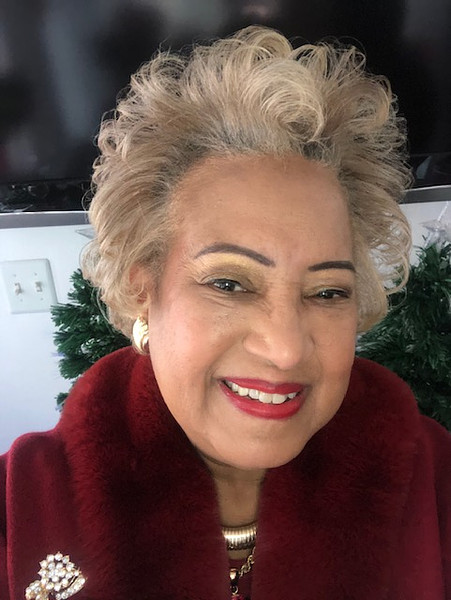
Diane F. Grannum, MS in Education, is a former New York City early childhood education administrator with more than 30 years of experience in public education. She has served as a teacher, supervisor, and regional director overseeing school-based and community-based early childhood programs.
For more information, contact:
Diane
Grannum
+1 516-650-7163
email us here
Visit us on social media:
LinkedIn
Instagram
Facebook
X
Legal Disclaimer:
EIN Presswire provides this news content "as is" without warranty of any kind. We do not accept any responsibility or liability for the accuracy, content, images, videos, licenses, completeness, legality, or reliability of the information contained in this article. If you have any complaints or copyright issues related to this article, kindly contact the author above.
